How to Maintain Gym Equipment for Long-Term Performance
Why Gym Equipment Maintenance Matters
Keeping your gym equipment in top shape isn’t just about aesthetics—it’s about performance, safety, and long-term savings. Whether you’re running a commercial fitness center or maintaining a home gym, consistent gym equipment maintenance ensures your machines work efficiently and safely every single day. Imagine hopping on a treadmill that suddenly jerks or stops—dangerous, right? That’s exactly what poor maintenance can lead to.
When equipment is regularly maintained, it reduces the risk of unexpected breakdowns and injuries. Gym users expect smooth, quiet, and reliable machines. If your equipment fails to deliver, it not only frustrates users but also damages your reputation. Think of your machines like cars—without regular servicing, even the best models will eventually break down.
Another major advantage is cost savings. Preventive care is always cheaper than emergency repairs. Small fixes like tightening bolts or lubricating moving parts can prevent major failures that cost thousands. Businesses offering gym equipment repair Abu Dhabi services often emphasize that most breakdowns could have been avoided with routine checks.
Maintaining equipment also extends its lifespan significantly. Instead of replacing machines every few years, proper care allows you to use them for a decade or more. In a competitive fitness industry, keeping your equipment reliable gives you a clear edge.
Understanding Different Types of Fitness Equipment
Not all gym equipment is built the same, and each category requires a unique maintenance approach. Knowing what your machines need helps you create a more effective exercise equipment maintenance routine.
Cardio Equipment Maintenance Needs
Cardio machines like treadmills, ellipticals, and stationary bikes are the most frequently used equipment in any gym. Because of their constant motion and electrical components, they require regular attention. These machines experience continuous wear and tear, especially in high-traffic gyms.
Treadmills and Ellipticals
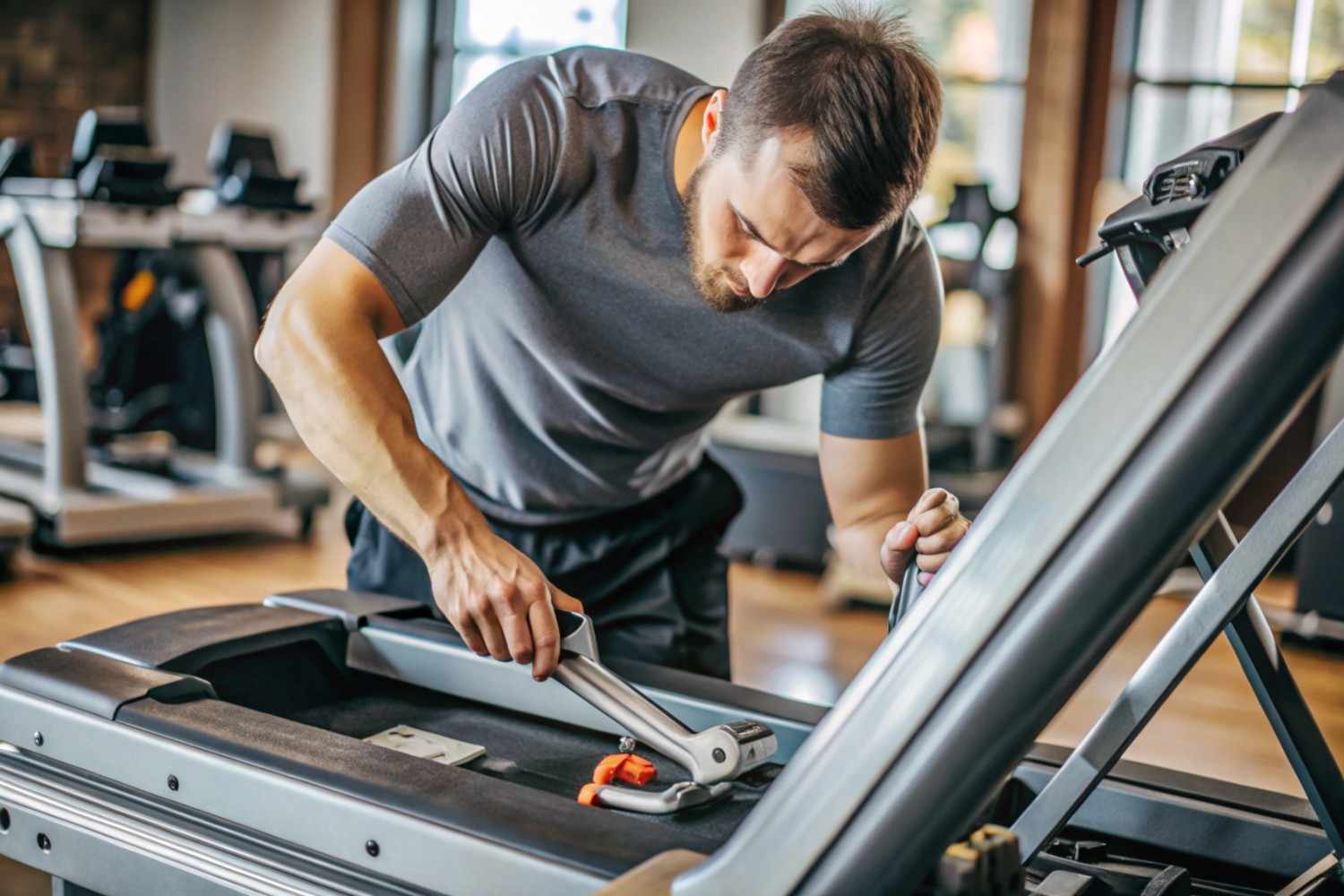
Treadmills are particularly sensitive machines. The belt, motor, and deck must work in perfect harmony. Without proper care, friction increases, leading to overheating and eventual failure. That’s why following proper treadmill maintenance tips is essential.
Ellipticals, on the other hand, involve multiple moving joints. These joints must be lubricated regularly to prevent squeaking and resistance issues. Ignoring these small details can lead to expensive repairs down the line.
Strength Equipment Maintenance Needs
Strength machines and free weights may seem rugged, but they also require consistent care. Loose cables, worn pulleys, and rusted weights can pose serious risks.
Weight Machines and Free Weights
Cable machines must be inspected for fraying wires and smooth pulley movement. A snapped cable can cause severe injury, so regular inspection is non-negotiable. Free weights should be checked for cracks and rust, especially in humid environments.
Benches and racks should also be tightened periodically. Over time, repeated use loosens bolts, making equipment unstable. A simple weekly check can prevent accidents and ensure user safety.
Daily Maintenance Routine for Gym Equipment
Daily maintenance is the backbone of any effective gym equipment maintenance strategy. Think of it as brushing your teeth—you don’t skip it if you want long-term results.
Cleaning and Sanitization Practices
Sweat, dust, and bacteria accumulate quickly on gym equipment. Cleaning machines daily not only improves hygiene but also prevents corrosion and damage. Use non-abrasive cleaners to wipe down surfaces, especially touchpoints like handles and screens.
In hot climates like Abu Dhabi, sweat buildup can accelerate wear. Regular cleaning prevents salt deposits from damaging metal parts. It also enhances the user experience, making your gym feel fresh and professional.
Visual Inspection Checklist
A quick visual inspection can catch problems early. Look for loose screws, unusual noises, or worn-out parts. If something feels off, it probably is. Addressing small issues immediately prevents them from becoming major problems.
Encourage staff to report any irregularities. A well-trained team acts as your first line of defense against equipment failure.
Weekly and Monthly Maintenance Tasks
While daily cleaning keeps things running smoothly, deeper maintenance tasks should be performed weekly and monthly to ensure optimal performance.
Lubrication and Tightening Components
Moving parts need lubrication to reduce friction and wear. Treadmill belts, elliptical joints, and cable systems all benefit from proper lubrication. Without it, parts grind against each other, leading to faster deterioration.
Bolts and screws should also be tightened regularly. Even the sturdiest machines can loosen over time. A quick weekly check ensures everything stays secure and stable.
Electrical and Mechanical Checks
Modern gym equipment relies heavily on electronics. Displays, sensors, and motors must be checked periodically. Look for flickering screens, delayed responses, or unusual noises.
Mechanical components like belts and pulleys should also be inspected for wear. Replacing a worn belt early is much cheaper than replacing an entire machine.
Treadmill Maintenance Tips for Longevity
Treadmills are one of the most used—and abused—machines in any gym. Proper care can significantly extend their lifespan.
Belt Alignment and Lubrication
A misaligned belt can cause uneven wear and even injury. Regularly check the alignment and adjust it if necessary. Lubricating the belt reduces friction, allowing the motor to run smoothly.
Ignoring this step can lead to overheating and motor failure. It’s one of the most important treadmill maintenance tips you should never skip.
Motor Care and Dust Removal
Dust is the silent enemy of treadmill motors. Over time, it accumulates inside the machine, causing overheating and reduced efficiency. Cleaning the motor area regularly keeps it running smoothly.
In dusty environments, this step becomes even more critical. A clean motor not only performs better but also lasts longer.
Common Gym Equipment Issues and Fixes
Even with proper maintenance, issues can still arise. Knowing how to identify and fix common problems can save time and money.
Noisy Machines and Vibrations
Strange noises usually indicate loose parts or lack of lubrication. Tighten bolts and apply lubricant to moving components. If the noise persists, it may require professional attention.
Electrical Failures and Display Issues
If screens stop working or machines fail to start, check the power supply first. Loose connections are often the culprit. If the problem continues, it’s best to contact experts in fitness equipment repair Mussafah or nearby areas.
When to Seek Professional Repair Services
Some problems require expert intervention. Knowing when to call professionals can prevent further damage.
Signs You Need Expert Help
-
Persistent noise despite maintenance
-
Electrical malfunctions
-
Broken cables or belts
-
Sudden machine shutdowns
Ignoring these signs can lead to bigger issues. Professional technicians have the tools and expertise to diagnose and fix problems effectively.
Choosing Reliable Repair Services in Abu Dhabi
Look for experienced service providers with a proven track record. Companies specializing in gym equipment repair Abu Dhabi offer comprehensive solutions, from routine maintenance to emergency repairs.
Preventive Maintenance Schedule
| Task | Frequency | Equipment Type |
|---|---|---|
| Cleaning | Daily | All Equipment |
| Visual Inspection | Daily | All Equipment |
| Lubrication | Weekly | Cardio Machines |
| Bolt Tightening | Weekly | Strength Equipment |
| Electrical Check | Monthly | Cardio Machines |
| Deep Cleaning | Monthly | All Equipment |
Best Practices for Gym Owners in Abu Dhabi
Running a gym in Abu Dhabi comes with unique challenges. The climate plays a significant role in equipment maintenance.
Climate Considerations (Heat & Humidity)
High temperatures and humidity can accelerate wear and tear. Sweat evaporates quickly but leaves behind salt deposits that corrode metal parts. Regular cleaning and climate control are essential.
Air conditioning isn’t just for comfort—it protects your equipment. Maintaining a stable indoor environment reduces stress on machines.
Staff Training and Maintenance Logs
Your staff should be trained to handle basic maintenance tasks. Keeping a maintenance log helps track issues and ensures nothing is overlooked.
A well-documented system makes it easier to identify recurring problems and plan preventive measures.
Conclusion
Maintaining gym equipment isn’t complicated, but it does require consistency and attention to detail. From daily cleaning to monthly inspections, every step plays a crucial role in ensuring long-term performance. Investing time in exercise equipment maintenance not only improves safety but also saves money and enhances user satisfaction.
By following proper treadmill maintenance tips, scheduling regular checks, and seeking professional help when needed, you can keep your gym running smoothly for years. Whether you’re managing a commercial facility or a personal workout space, maintenance is the key to reliability and success.
FAQs
1. How often should gym equipment be serviced?
Gym equipment should be cleaned daily, inspected weekly, and professionally serviced every 3–6 months depending on usage.
2. What is the most common gym equipment issue?
Loose parts and lack of lubrication are the most common issues, often leading to noise and reduced performance.
3. Can I do gym equipment maintenance myself?
Yes, basic tasks like cleaning, tightening, and lubrication can be done in-house, but complex repairs require professionals.
4. Why is treadmill lubrication important?
Lubrication reduces friction, prevents overheating, and extends the lifespan of the motor and belt.
5. Where can I find reliable repair services in Abu Dhabi?
You can find trusted providers specializing in fitness equipment repair Mussafah and gym equipment repair Abu Dhabi for professional assistance.