CCTV Blind Spots in Warehouses and Shops: Where Should You Install Security Cameras?
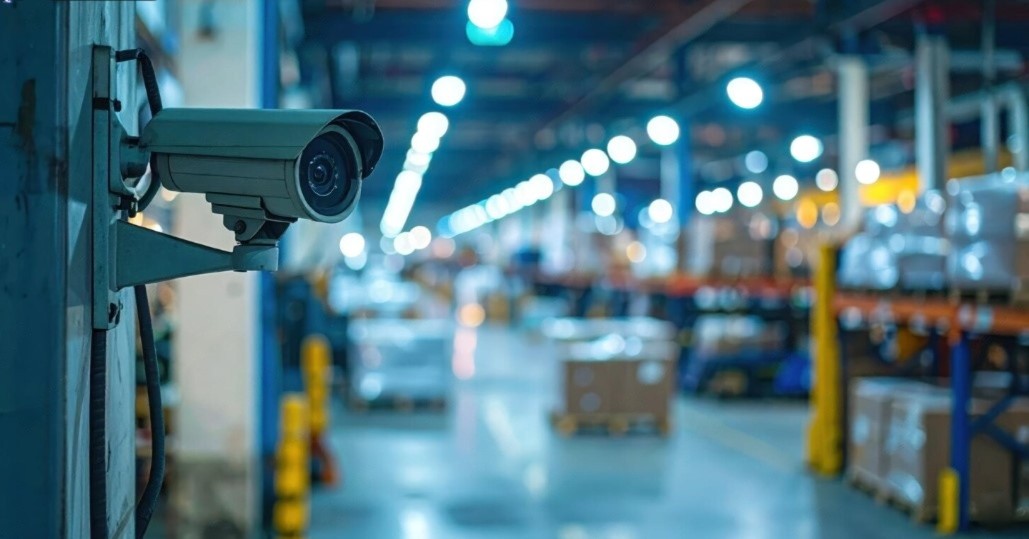
Warehouses and retail outlets manage valuable goods, daily shipments, consumer interactions, and employee tasks. Without accurate placement of security cameras, crucial zones may go unobserved, increasing the chances of theft, stock depletion, and safety concerns. CCTV unmonitored zones frequently occur behind shelving, near delivery docks, around entryways, and in dimly lit corners.
For businesses seeking CCTV Installation for Commercial Properties in Abu Dhabi, selecting the correct camera positions is as vital as choosing high-quality equipment. A thoughtfully designed CCTV network assists in monitoring key areas, enhancing security, and providing valuable video evidence when incidents arise.
Typical Unmonitored Zones in CCTV Systems for Warehouses and Stores
Unobserved areas are spots that cameras cannot clearly capture due to walls, shelves, machinery, poor angles, or insufficient illumination. Warehouses often feature tall storage racks and moving equipment, while shops have display units, counters, and narrow passageways that can obstruct camera views.
Even a high-definition camera cannot record activity concealed by a physical obstruction. Businesses should, therefore, evaluate their layouts before deploying cameras and pinpoint locations requiring additional coverage.
Where Should Surveillance Cameras Be Placed in a Warehouse?
1. Loading Docks and Delivery Zones
Loading docks are critical points because merchandise frequently enters and exits the warehouse. Install cameras to oversee delivery vehicles, loading bay doors, and regions where personnel handle incoming or outgoing inventory. Consider distinct perspectives for the exterior approach and the interior loading area to minimize unmonitored zones caused by vehicles or stacked pallets.
2. Storage Racks and Warehouse Passageways
Tall shelving can impede camera views, particularly when inventory reaches elevated levels. Position cameras to cover aisle entry points, cross-aisles, and sections containing high-value stock. Review the camera angles with typical stock levels in place, as a layout that appears clear in an empty warehouse might become obstructed during routine operations.
3. Emergency Exits and Staff Entry Points
Staff entryways and less frequently used exits can become overlooked security vulnerabilities. Place cameras where they can capture individuals entering and leaving without compromising privacy or interfering with emergency protocols. Where identification is essential, use an angle that clearly captures faces rather than relying solely on a high, wide-angle perspective.
4. High-Value Inventory and Restricted Sections
Electronics, costly equipment, and other valuable items may necessitate extra scrutiny. Install cameras near restricted storage rooms, inventory access points, and areas where goods are packaged or readied for dispatch. Integrating CCTV with appropriate access control can assist businesses in monitoring sensitive zones more effectively.
5. Warehouse Perimeters and Parking Lots
Outdoor unmonitored areas can develop around building corners, gates, parking spaces, and vehicle yards. Utilize suitable outdoor cameras to observe approaching vehicles and movement near entry points. In Abu Dhabi, take into account heat, dust, glare, and nighttime lighting when selecting and positioning outdoor equipment.
Where Should CCTV Cameras Be Installed in Retail Stores?
1. Main Entryway and Exit
The entrance camera should capture individuals entering and leaving the store. Avoid aiming it directly towards bright sunlight or glass doors without compensating for fluctuating light conditions, as this can cause faces to appear dark. A suitable camera angle and wide dynamic range (WDR) can enhance image quality in challenging lighting.
2. Shelving, Display Units, and Narrow Passageways
Shelving and promotional displays can conceal merchandise and create areas outside the camera’s field of view. Position cameras to cover aisle ends and merchandise sections, adding overlapping views where necessary. Re-evaluate coverage whenever shelves or display units are repositioned.
3. Checkout Counters and Cash Registers
Cash counters are vital areas for monitoring transactions and resolving discrepancies. Install a dedicated camera that captures the counter surface, cash-handling activities, and relevant interactions. A general shop-floor camera may not provide sufficient detail for these tasks, so a separate view can be advantageous.
4. Stockrooms and Rear Doors
Stockrooms and back entrances are often neglected when businesses primarily focus on the customer-facing area. Install cameras to monitor stock movement, staff access, and deliveries through these locations. Ensure the footage remains clear when doors open, lights change, or goods are temporarily stacked nearby.
How to Effectively Reduce CCTV Unmonitored Zones
Businesses can improve camera coverage with several practical measures:
– Conduct a site evaluation: Identify entrances, exits, storage areas, cash counters, and other vulnerable locations before installation.
– Select appropriate camera angles: Avoid placing cameras where walls, shelves, or equipment obstruct the view.
– Employ overlapping coverage: Ensure critical areas remain visible from another camera when movement or temporary obstructions block one view.
– Verify lighting conditions: Test cameras during daytime and nighttime, particularly near windows, outdoor entrances, and loading docks.
– Review footage regularly: Clean lenses, test recording, and confirm that all cameras are functioning correctly.
A professional assessment helps determine the correct camera types, positions, and recording configuration for each property. These steps are fundamental to effective Commercial CCTV Installation Abu Dhabi services.
Why Opt for Professional CCTV Installation for Commercial Properties in Abu Dhabi?
Professional installation aids businesses in developing a security system tailored to their actual layout and operational requirements. Instead of haphazardly installing cameras, an experienced installer can evaluate unmonitored zones, lighting, viewing angles, recording necessities, and prospects for future expansion.
For commercial properties in Abu Dhabi, businesses should also verify applicable local security stipulations and use appropriately approved equipment and installation providers. A properly planned system can support enhanced monitoring, dependable footage, and more efficient day-to-day security management.
Conclusion
CCTV unmonitored zones can leave warehouses and retail stores susceptible even when security cameras are already in place. Covering loading docks, storage racks, entrances, checkout counters, and rear doors helps businesses construct a more comprehensive security system. With professional CCTV Installation for Commercial Properties in Abu Dhabi, businesses can improve camera coverage, minimize overlooked areas, and safeguard valuable assets more effectively.
Frequently Asked Questions
1. Where should CCTV cameras be installed in a warehouse?
Install cameras at loading bays, warehouse entrances, storage aisles, restricted inventory areas, staff exits, and outdoor perimeters. The exact positions depend on the layout and potential obstructions.
2. How can I identify CCTV blind spots in my shop?
Review live camera views and recorded footage, paying attention to shelves, corners, checkout counters, and back entrances. Test coverage with displays and stock arranged as they are during normal business hours.
3. Are overlapping CCTV cameras necessary?
Overlapping views are useful in critical areas where people or equipment may obstruct a camera. They help maintain visibility and can make it easier to follow movement between different zones.
4. What type of CCTV camera is best for commercial properties?
Dome cameras are often suitable for indoor shops, while suitable bullet or weather-resistant cameras can work well outdoors. Warehouses may require different lenses and camera types depending on ceiling height, viewing distance, lighting, and security objectives.
5. Why choose Commercial CCTV Installation in Abu Dhabi?
Professional installation helps businesses identify blind spots, select suitable equipment, and plan camera positions around their security needs. It can also help ensure the system meets applicable local requirements.